California Solar Incentives 2025: Beyond the Federal Tax Credit
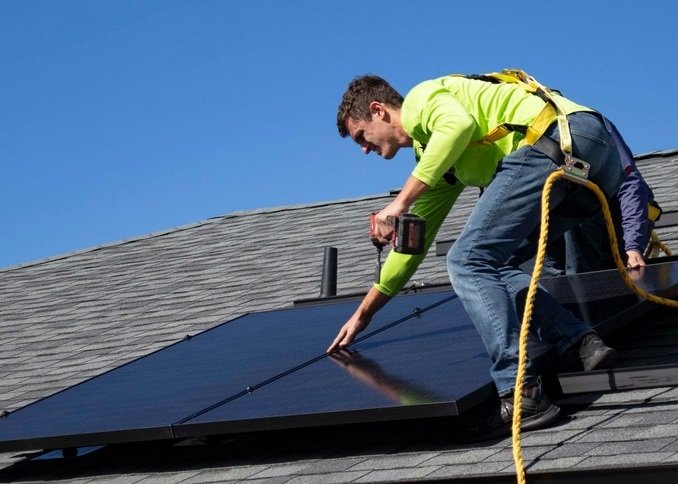
California leads the nation in solar adoption with comprehensive incentives for homeowners
Why California Homeowners Save More on Solar
California isn't just the sunshine state—it's the solar state. With over 1.5 million solar installations and counting, California accounts for nearly 40% of the nation's solar capacity. But what truly sets the Golden State apart isn't just its abundant sunshine; it's the comprehensive ecosystem of incentives, rebates, and policies that make solar more affordable here than anywhere else in America.
While every American homeowner can claim the 30% federal Investment Tax Credit (ITC), California residents have access to dozens of additional programs that can reduce system costs by another 25-40%. From the transformative NEM 3.0 net metering program to local utility rebates and battery storage incentives, California's solar landscape offers unparalleled financial benefits for homeowners who know where to look.
Federal Tax Credit
Total Cost Reduction
Average Payback Period
Solar State in USA
In this comprehensive guide, we'll explore every major California solar incentive available in 2025, from statewide programs to hyper-local utility rebates. Whether you're in Los Angeles, San Francisco, San Diego, or anywhere in between, this guide will show you how to maximize your solar savings beyond the federal tax credit.
Understanding NEM 3.0: California's New Solar Economics
The transition from NEM 2.0 to NEM 3.0 (Net Energy Metering 3.0) on April 15, 2023, marked the most significant change in California solar policy in a decade. While often misunderstood, NEM 3.0 actually creates new opportunities for strategic solar investments, especially when paired with battery storage.
Export Rate Changes
Key Change: Lower compensation for excess solar exported to grid
Impact: Average export rates reduced from ~$0.30/kWh to ~$0.08/kWh
Strategy: Store excess solar in batteries for later use
Battery Storage Bonus
Key Feature: Enhanced value for paired solar+battery systems
Benefit: Access to higher "avoided cost" rates during peak hours
Strategy: Discharge batteries during evening peak (4-9 PM)
Strategic System Design
Requirement: Systems sized closer to actual consumption
Benefit: Lower upfront costs, faster payback periods
Strategy: Right-size systems, avoid overproduction
NEM 3.0 Compensation Structure (2025 Rates)
Under NEM 3.0, the economics favor solar + battery storage combinations. By storing excess solar energy produced during the day and exporting it during the 4-9 PM peak period, homeowners can achieve compensation rates 2-3 times higher than daytime exports. This creates a compelling financial case for battery investments that didn't exist under previous net metering structures.
SGIP: California's Game-Changing Battery Storage Rebate
The Self-Generation Incentive Program (SGIP) is California's premier battery storage incentive, offering rebates of $850-$1,000 per kWh of installed battery capacity. With NEM 3.0 making batteries more valuable than ever, SGIP rebates can cover 25-40% of battery system costs.
SGIP Equity Budget (Highest Rebates)
Eligibility: Residents in high-fire threat districts or disadvantaged communities
Rebate Amount: $1,000 per kWh installed
Maximum: Up to $10,000 per system
Priority: Applications processed first
Example: 10 kWh Tesla Powerwall = $10,000 rebate
SGIP General Market Budget
Eligibility: All California residents
Rebate Amount: $850 per kWh installed
Maximum: Varies by utility territory
Waitlist: Often has waiting periods
Example: 13.5 kWh battery = $11,475 rebate
📈 SGIP + NEM 3.0 = Optimal Solar Economics
The combination of SGIP battery rebates with NEM 3.0's time-of-use rates creates what solar economists call "the California solar sweet spot." Here's how it works:
- SGIP rebate reduces battery cost by 25-40%
- NEM 3.0 provides 3x higher compensation for battery exports during peak hours
- Federal tax credit applies to both solar AND battery when installed together
- Result: Payback periods of 4-6 years for solar+battery systems
California Counties with Enhanced SGIP Eligibility
Los Angeles
Orange
San Diego
Riverside
Alameda
Contra Costa
Marin
San Mateo
Fresno
Kern
Sacramento
Stanislaus
Sonoma
Napa
Butte
El Dorado
Utility-Specific Solar Incentives by Region
California's three major investor-owned utilities each offer unique solar programs and rebates. Understanding your utility's specific offerings is crucial for maximizing savings.
Pacific Gas & Electric
Service Area: Northern & Central CA
Customers: 5.5 million electric
Solar Rebates: Various local programs
Battery Bonus: Additional incentives for Powerwall
Special Programs: CARE, FERA discount rates
Southern California Edison
Service Area: Central & Southern CA
Customers: 5 million electric
Solar Rebates: Through local governments
Time-of-Use: Most advantageous rates
Special Programs: Medical baseline allowance
San Diego Gas & Electric
Service Area: San Diego County
Customers: 1.4 million electric
Solar Rebates: Highest in state
Battery Focus: Critical for fire safety
Special Programs: Net Surplus Compensation
Municipal Utility Solar Programs
Many California cities operate their own utilities with often superior solar programs compared to investor-owned utilities:
Los Angeles
Feed-in Tariff: $0.17/kWh
Rebates: Up to $0.50/W
Sacramento
Net Metering: 1:1 through 2030
Rebates: $400/kW
Silicon Valley
Battery Rebate: $500/kWh
EV Charger: $500 rebate
Santa Clara
Solar Rebate: $0.20/W
Battery: $250/kWh
Property Tax Exemptions & Sales Tax Benefits
California offers two critical tax benefits that solar homeowners often overlook but that significantly impact long-term savings.
Property Tax Exclusion for Solar
Program: California Solar Property Tax Exclusion
Benefit: Solar installations DO NOT increase property tax assessments
Duration: Permanent exclusion (not just a temporary exemption)
Savings: Average $200-$600 annually in avoided property taxes
Example: $30,000 solar system would typically add $300/year in property taxes
Status: Currently extended through December 31, 2026
Sales Tax Exemption on Solar Equipment
Program: California Solar Energy System Sales Tax Exclusion
Benefit: No sales tax on solar panel systems
Rate: 7.25% - 10.25% depending on county
Savings: $2,175 - $3,075 on a $30,000 system
Included: Panels, inverters, mounting, batteries
Status: Permanent (no expiration date)
💰 Combined Tax Benefit Example: San Francisco Homeowner
Total Additional Savings Beyond Federal Tax Credit: $14,325+
California Solar Initiative & Low-Income Programs
California ensures solar accessibility across all income levels through targeted programs designed for low-to-moderate income households.
Single-Family Affordable Solar Homes (SASH)
Eligibility: Households at or below 80% area median income
Benefit: Up to $3.00 per watt rebate
Maximum: $15,000 per installation
Example: 5 kW system = $15,000 rebate
Administered by: GRID Alternatives
Multifamily Affordable Solar Housing (MASH)
Eligibility: Affordable multifamily properties
Benefit: Up to $3.30 per watt rebate
Focus: Common areas and tenant units
Additional: Battery storage incentives available
Impact: Reduces tenant electricity costs by 30-50%
Disadvantaged Communities - Single-family (DAC-SASH)
Eligibility: Homes in disadvantaged communities
Benefit: Up to $4.50 per watt rebate
Priority: Homes in high-pollution areas
Combination: Can be combined with SGIP
Goal: Energy equity and environmental justice
🌍 California's Solar Equity Impact
These low-income solar programs have created transformative change across California:
Local City & County Solar Incentives
Beyond state programs, many California cities and counties offer their own solar incentives. These hyper-local programs can provide significant additional savings.
🌉 Bay Area Programs
San Francisco: GoSolarSF - $2,000-$10,000 rebates
Oakland: Energy & Climate Action - $500/kW
San Jose: San José Clean Energy - $0.25/W
Berkeley: Building Electrification - $1,500-$4,000
Contra Costa: SunShares - Group buying discounts
🌴 Southern California Programs
Los Angeles: LADWP - $0.50/W rebate
San Diego: SDG&E - Solar and storage incentives
Orange County: OC Solarize - Bulk purchasing
Riverside: Western Riverside - $500 rebate
Ventura: Solar Rights Ordinance support
🏔️ Central Valley & North State
Sacramento: SMUD - SolarSmart programs
Fresno: Solar permit fee reductions
Santa Cruz: Climate Action - $0.30/W
Sonoma: Energy Independence - Storage focus
Placer: Renewable energy expedited permits
📝 Permit Fee Reductions & Expedited Processing
Many California jurisdictions have implemented "SolarAPP+" (Solar Automated Permit Processing) or similar expedited systems:
- Reduced Fees: Permit fees often 50-80% lower for standard residential solar
- 24-Hour Permits: Automated approval for compliant designs
- Online Submission: No in-person visits required
- Standardized Requirements: Consistent rules across jurisdictions
- Cost Savings: Average $500-$1,500 in reduced soft costs
Maximizing Your California Solar Savings: A 5-Step Strategy
With so many incentives available, following a strategic approach ensures you capture maximum savings. Here's our proven 5-step process for California homeowners:
Assess Eligibility
Check SGIP, local utility, and income-based program eligibility
Right-Size System
Design for NEM 3.0 economics with optional battery storage
Layer Incentives
Combine federal, state, utility, and local programs
Secure Financing
Use PACE, solar loans, or cash for optimal economics
Time Installation
Coordinate with incentive program cycles and seasons
💰 Complete California Solar Savings Example
Ready to Maximize Your California Solar Savings?
With the right combination of incentives, California homeowners can achieve solar payback periods as short as 4-6 years followed by decades of essentially free electricity.
Compare 3-5 local installers
Maximize all available rebates
Right-size for maximum ROI
California's #1 solar quote service • 100% free • No obligation