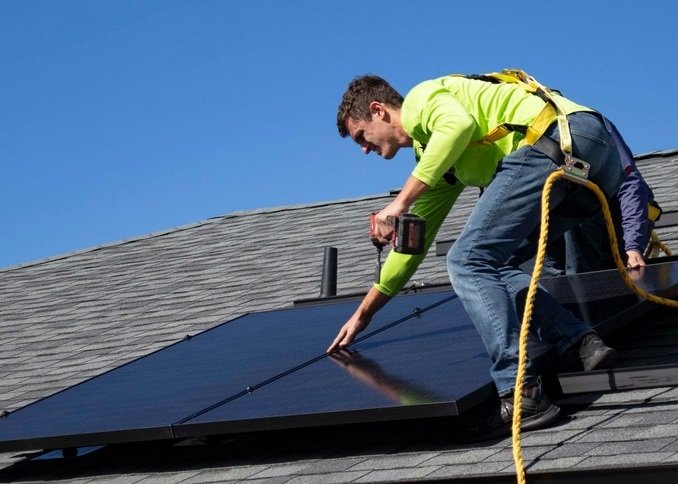
Massachusetts' Solar Regions: Climate & Geography
Massachusetts' diverse geography creates distinct solar regions, each with unique advantages and considerations for solar installations. Understanding your region is key to maximizing solar efficiency in New England's climate.
Eastern Massachusetts
Cities: Boston, Cambridge, Quincy, Lynn
Sun Exposure: 200 sunny days, 4.2 peak sun hours
Key Advantage: Strong SMART program incentives
Consideration: Urban shading, space limitations
Recommendation: High-efficiency panels for limited space
Western Massachusetts
Cities: Springfield, Worcester, Amherst, Northampton
Sun Exposure: 190 sunny days, 4.0 peak sun hours
Key Advantage: Less cloud cover than coast
Consideration: Snow load, winter production
Recommendation: Snow-shedding tilt angles
Cape Cod & Islands
Cities: Barnstable, Provincetown, Martha's Vineyard
Sun Exposure: 205 sunny days, 4.3 peak sun hours
Key Advantage: Excellent coastal sun exposure
Consideration: Salt-air corrosion, storm resilience
Recommendation: Marine-grade components
Central Massachusetts
Cities: Worcester metro, Fitchburg, Leominster
Sun Exposure: 195 sunny days, 4.1 peak sun hours
Key Advantage: Balanced conditions, good incentives
Consideration: Mixed forest/urban environments
Recommendation: Versatile all-climate systems
Berkshire Mountains
Cities: Pittsfield, Williamstown, Great Barrington
Sun Exposure: 185 sunny days, 3.8 peak sun hours
Key Advantage: Cool temps boost panel efficiency
Consideration: Significant snow, tree coverage
Recommendation: Bifacial panels for snow reflection
Merrimack Valley
Cities: Lowell, Lawrence, Haverhill
Sun Exposure: 200 sunny days, 4.2 peak sun hours
Key Advantage: Industrial heritage, good rooftops
Consideration: Urban density, shading
Recommendation: Commercial/industrial expertise
Massachusetts Utility Territories & Solar Policies
Your solar economics depend heavily on which utility serves your area. Massachusetts has three main utility types with varying solar programs under the SMART program.
Eversource Energy
Territory: Eastern MA, Cape Cod, Western MA
Solar Customers: 70,000+ (Largest in MA)
Net Metering: 1:1 retail credit for excess
SMART Program: Base rate: $0.20-0.30/kWh
Key Consideration: SMART block declines as capacity fills
National Grid
Territory: Central MA, Worcester area, some eastern
Solar Customers: 45,000+
Net Metering: 1:1 retail credit for excess
SMART Program: Similar to Eversource rates
Key Consideration: Separate SMART blocks by region
Municipal Utilities (Munis)
Territory: 40+ towns with own utilities
Solar Customers: Varies by municipality
Net Metering: Each muni sets own policy
SMART Program: Opt-in program available
Key Consideration: Check specific town programs
SMART Program
Solar Massachusetts Renewable Target
Guaranteed payments for 10 years
Declining blocks as capacity fills
Net Metering
1:1 retail credit statewide
Annual true-up in May
Excess paid at avoided cost rate
MA Incentives
Federal tax credit: 30%
State tax credit: $1,000
Property tax exemption: 100%
Regional Solar Performance & Economics
Massachusetts Regional Solar Production Comparison
| Massachusetts Region | Annual Sun Days | Peak Sun Hours | 6 kW System Production | SMART Base Rate | Optimal Tilt |
|---|---|---|---|---|---|
| 🌊 Cape Cod & Islands | 200-210 | 4.3-4.5 | 6,800 kWh | $0.30/kWh | 30-35° |
| 🏙️ Eastern MA | 195-205 | 4.2-4.4 | 6,600 kWh | $0.25/kWh | 35-40° |
| 🏭 Merrimack Valley | 195-205 | 4.1-4.3 | 6,500 kWh | $0.22/kWh | 35-40° |
| 🌳 Central MA | 190-200 | 4.0-4.2 | 6,300 kWh | $0.20/kWh | 40-45° |
| 🏔️ Western MA | 185-195 | 3.9-4.1 | 6,100 kWh | $0.18/kWh | 40-45° |
| 📈 Massachusetts Average | 197 | 4.2 | 6,500 kWh | $0.23/kWh | 35-40° |
Note: SMART program rates shown are approximate base rates for Block 1. Actual rates depend on current block, system size, and location. Western MA often has higher tilt angles to optimize winter production and snow shedding.
Regional Optimization Strategies:
- Cape Cod & Islands: Focus on corrosion-resistant components, optimize for coastal breezes that keep panels cool, consider hurricane-rated mounting
- Eastern MA: Maximize limited roof space with high-efficiency panels, account for urban shading, optimize for SMART program economics
- Western MA: Optimize for snow shedding, consider ground mounts if roof space limited, account for longer winter periods
- Berkshire Mountains: Focus on snow load capacity, consider bifacial panels for snow reflection, optimize tilt for winter production
- Merrimack Valley: Leverage industrial rooftops, consider commercial-scale systems, optimize for manufacturing energy patterns
- Central MA: Balance urban/suburban considerations, optimize for mixed-use properties, consider community solar options
Top 5 Massachusetts Cities for Solar Optimization
These Massachusetts cities offer excellent solar conditions with region-specific optimization strategies:
Boston
Eastern MA, Eversource
Strong incentives, space challenges
Average production: 1,100 kWh/kW/year
Worcester
Central MA, National Grid
Good space, strong SMART rates
Average production: 1,050 kWh/kW/year
Springfield
Western MA, Eversource
Less cloud cover than coast
Average production: 1,020 kWh/kW/year
Cambridge
Eastern MA, Eversource
High-tech, solar-friendly policies
Average production: 1,080 kWh/kW/year
Barnstable
Cape Cod, Eversource
Best sun in MA, coastal conditions
Average production: 1,130 kWh/kW/year
Massachusetts City Solar Information
Get detailed solar information, local installers, and city-specific regional guides for these major Massachusetts cities:
Click any city above for detailed solar information including regional optimization, local installers, utility programs, and city-specific solar recommendations.
Massachusetts Regional Solar FAQ
How does Massachusetts' SMART program work?
The SMART program pays solar owners a fixed rate per kWh produced for 10 years. Rates vary by utility territory and decline in "blocks" as solar capacity is installed. Current rates range from $0.18-0.30/kWh depending on location and system size.
What about snow and solar panels in Massachusetts?
Snow typically slides off angled panels within days. Dark panels absorb heat, accelerating melt. Production loss is minimal (5-10% annually). Optimal tilt angles (35-45°) help with snow shedding in western and central MA.
Do I need special permits for solar in different MA regions?
Yes, permitting varies by city and town. Coastal areas may have additional storm requirements, historic districts have aesthetic guidelines. All MA solar installers are familiar with local codes, but check specific requirements for your municipality.
How does coastal weather affect solar on Cape Cod?
Salt air requires corrosion-resistant components. Coastal areas get more sun but also more fog. Hurricane-rated mounting is recommended. The ocean breeze helps keep panels cool, boosting efficiency 2-3%.
What's the difference between Eversource and National Grid solar policies?
Both offer 1:1 net metering and participate in SMART. The main difference is SMART block availability and rates, which vary by region. National Grid serves central MA while Eversource serves eastern, western MA and Cape Cod.
How do I optimize for Massachusetts' four seasons?
Balance winter and summer production with 35-40° tilt angles. Consider microinverters for varied roof sections. Account for tree leaf cover changes. Winter production is about 30% of summer, so size systems accordingly.
Optimize Your Massachusetts Solar Investment
Get free, no-obligation quotes from Massachusetts solar installers who understand your specific region's climate, SMART program details, utility policies, and optimization strategies. Compare pricing, equipment recommendations, and installation approaches tailored to your Massachusetts location.
Get Your Free Massachusetts Solar Quotes