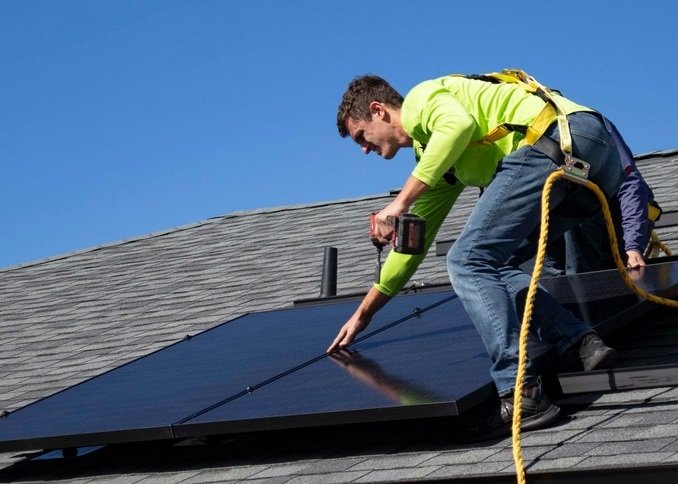
Step-by-Step Grand Rapids Solar Installation Timeline
Going solar in Grand Rapids follows a clear, predictable path. Here are the six key steps from your initial consultation to powering your home with clean energy:
Consultation & Site Assessment
Duration: 1-3 days
Activity: Energy analysis, roof evaluation, shading study
Grand Rapids Specific: Review of Consumers Energy's solar program requirements
Output: Custom system design & proposal
Design & Permitting
Duration: 2-4 weeks
Activity: Engineering plans, City of Grand Rapids permit application
Grand Rapids Specific: Submission to Grand Rapids Building Safety Department
Output: Approved building & electrical permits
Equipment Procurement
Duration: 1-3 weeks
Activity: Order cold-rated panels, inverters, mounting hardware
Grand Rapids Specific: Selection of Michigan-appropriate snow load equipment
Output: All equipment delivered to your home
Physical Installation
Duration: 3-5 days
Activity: Roof mounting, electrical wiring, inverter setup
Grand Rapids Specific: Adherence to Michigan's snow load building codes
Output: Fully installed solar system
Inspections & Approvals
Duration: 1-3 weeks
Activity: City electrical inspection, Consumers Energy review
Grand Rapids Specific: Grand Rapids Building Safety inspector visit, Consumers Energy interconnection approval
Output: Permission to Operate (PTO) from Consumers Energy
System Activation & Monitoring
Duration: 1-2 days
Activity: Final system commissioning, app setup
Grand Rapids Specific: Consumers Energy net metering activation
Output: Live solar production & immediate savings
Grand Rapids Solar Permit Process Details
All solar installations in Grand Rapids require permits from the City of Grand Rapids Building Safety Department. Here's what you need to know:
City of Grand Rapids Building Safety
Permit Type: Residential Solar Photovoltaic System Permit
Application Method: Online via Grand Rapids' Citizen Access Portal
Typical Fee: $275 - $425 (based on system size)
Required Documents: Site plan, electrical diagram, structural calculations
Contact: Building Safety Department: (616) 456-4100
Michigan-Specific Requirements
Snow Load Design: Required for all Michigan installations (40+ lbs/sq ft)
Wind Load: Designed for West Michigan wind conditions
Structural Review: Required for roof-mounted systems
Electrical Code: Michigan Electrical Code compliance
Property Setbacks: Grand Rapids zoning requirements
Consumers Energy Interconnection
Program: Consumers Energy Net Metering Program
Application: Required before installation begins
Timeline: 15-25 business days for approval
Requirement: Consumers Energy-approved equipment
Benefit: 1:1 net metering with monthly rollover
Grand Rapids City Inspection Requirements
After installation, your solar system must pass multiple inspections before receiving Permission to Operate (PTO) from Consumers Energy:
Rough Electrical Inspection
Timing: After wiring, before wall/ceiling closure
Inspector: Grand Rapids Electrical Inspector
Focus: Wiring methods, grounding, junction boxes
Code: Michigan Electrical Code (based on NEC)
Result: Approval to proceed with installation
Final Electrical Inspection
Timing: After full system installation
Inspector: Grand Rapids Electrical Inspector
Focus: Complete system safety, labeling, disconnect switches
Critical Check: Rapid shutdown compliance (NEC 690.12)
Result: Final approval for electrical work
Consumers Energy Interconnection Inspection
Timing: After City electrical approval
Reviewer: Consumers Energy Solar Program Specialist
Focus: Net metering equipment, production meter installation
Requirement: Must use Consumers Energy-approved bi-directional meter
Result: Permission to Operate (PTO) letter
Grand Rapids Inspection Tip:
Schedule your City electrical inspection through the Grand Rapids Citizen Access Portal or by calling (616) 456-4100. Most inspections can be scheduled within 3-5 business days. Your solar installer typically handles all inspection scheduling and coordination.
Consumers Energy Connection Process for Grand Rapids
Consumers Energy has specific requirements for connecting your solar system to the grid. Following their process ensures smooth net metering activation:
Net Metering Application
Form: Consumers Energy Net Metering Application
Timing: Submit before permit application
Requirements: System specifications, installer credentials
Fee: $50 application fee
Approval Time: 15-25 business days
Equipment Requirements
Meter: Consumers Energy provides bi-directional net meter
Inverter: Must be UL 1741 SA compliant
Disconnect: Exterior AC disconnect required
Labeling: Consumers Energy-specific warning labels required
Monitoring: Production data accessible to Consumers Energy
Net Metering Program Details
Program: Consumers Energy Net Metering
Credits: 1:1 kWh credit for excess generation
Rollover: Credits carry forward month-to-month
True-Up: Annual settlement (April)
System Limit: 100% of previous year's consumption
Grand Rapids Solar: Timeline from Quote to Activation
Understanding the complete timeline helps set proper expectations for your Grand Rapids solar project. Here's the typical schedule from start to finish:
Complete Grand Rapids Solar Project Timeline
Weeks 1-2: Consultation & Design
Activities: Site assessment, energy analysis, proposal review
Decision Point: Sign contract, select Michigan-appropriate equipment
Weeks 3-6: Permitting & Planning
Activities: Engineering plans, Grand Rapids permit submission, Consumers Energy application
Key Milestone: Permit approval from Grand Rapids Building Safety
Week 7: Installation
Activities: Equipment delivery, roof mounting, electrical work
Duration: Typically 3-5 days of active work
Weeks 8-10: Inspections & Approval
Activities: City electrical inspections, Consumers Energy review
Key Milestone: Permission to Operate from Consumers Energy
Week 11: Activation & Monitoring
Activities: System commissioning, app setup, monitoring activation
Result: Solar production begins, savings start immediately
Seasonal Considerations in Grand Rapids
Grand Rapids HOA & Historic District Considerations
Many Grand Rapids neighborhoods have Homeowners Associations and some areas are designated historic districts with specific guidelines for solar installations. Here's what Grand Rapids residents should know:
Michigan Solar Rights
Protection: HOAs cannot prohibit solar installations
Allowed Guidelines: Can regulate placement for aesthetics
Common Requirements: Setback rules, color matching
Approval Timeline: HOA must respond within 30 days
Key Point: Cannot unreasonably restrict efficiency
Grand Rapids Neighborhood Types
Historic Districts: Heritage Hill, Heritage Hill North may have guidelines
Established Subdivisions: East Grand Rapids, Cascade may have HOA rules
Newer Developments: Often more solar-friendly
Urban Core: Mixed-use areas with diverse regulations
Pro Tip: Review HOA covenants before proceeding
Working With Your HOA
Preparation: Have professional plans and renderings ready
Communication: Engage HOA board early in process
Documentation: Provide equipment specifications and warranties
Aesthetics: Consider all-black panels for better appearance
Professional Help: Many installers handle HOA submissions
Grand Rapids-Specific Solar Factors
These unique Grand Rapids factors impact solar installation and performance:
Lake Michigan Climate Effects
Lake Effect Snow: Additional snow load considerations
Cloud Cover: More cloudy days than inland Michigan
Temperature Moderation: Milder temperatures near the lake
Wind Patterns: Additional wind load considerations
Microclimates: Varies across Grand Rapids metro area
West Michigan Economic Factors
Local Installers: Strong solar market with experienced companies
Manufacturing Heritage: Skilled labor availability
Sustainability Focus: Strong environmental consciousness
Economic Stability: Diverse economy supports solar investment
Community Support: Local organizations promote renewable energy
Grand Rapids Solar Performance
Sun Exposure: 4.3 peak sun hours average
Annual Production: 1,100-1,200 kWh per kW installed
Seasonal Variation: 70% of production May-September
Optimal Orientation: South-facing at 30-40° tilt
Shading Considerations: Mature tree canopy in many neighborhoods
Explore More Michigan Solar Information
Looking for solar information in other Michigan cities or statewide programs?
View all Michigan Solar Information