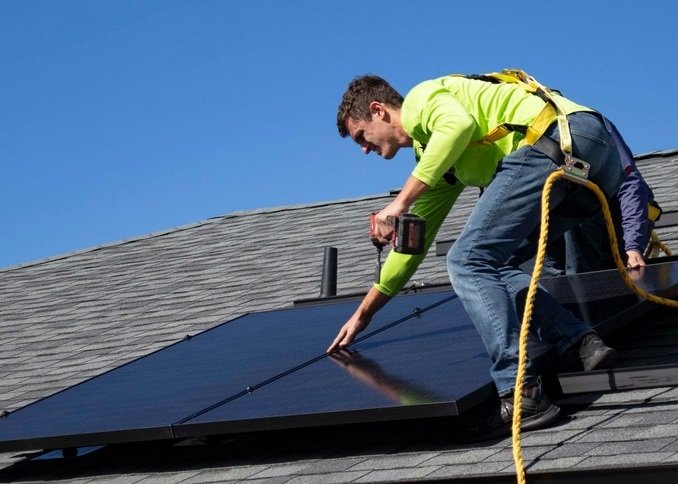
Top North Carolina Solar Installer Comparison
We've evaluated North Carolina's leading solar installers based on pricing transparency, equipment quality, warranty coverage, customer service, and local experience. Here's how the top companies compare:
Yes Solar Solutions
Best For: Premium installations & maximum efficiency
NC Service: Statewide coverage, Raleigh-based
Key Advantage: Industry-leading 30-year warranty on labor
Price Range: $$$$ (Premium)
NC Solar Now
Best For: Value & local expertise
NC Service: Triangle & Triad regions focus
Key Advantage: Exceptional customer service & Duke Energy expertise
Price Range: $$ (Mid-Range)
8MSolar
Best For: Quick installations & financing options
NC Service: Charlotte metro & surrounding areas
Key Advantage: Fastest installation times in NC, strong financing partnerships
Price Range: $$ (Mid-Range)
Southern Energy Management
Best For: Custom designs & energy efficiency integration
NC Service: Triangle region, Morrisville-based
Key Advantage: B Corp certified, holistic energy solutions
Price Range: $$$ (High-End)
North Carolina Solar Cost Comparison by City
Solar costs vary across North Carolina due to local labor rates, permitting fees, and market competition. Here's how average installed prices compare in major NC cities:
Charlotte
6 kW System: $14,700
Market: Most competitive in NC
Note: Many installers, Duke Energy territory
Raleigh
6 kW System: $15,000
Market: Quality-focused, established
Note: Duke Energy Progress territory
Durham
6 kW System: $14,880
Market: Growing, research-oriented
Note: Duke Energy territory, tech-savvy market
Wilmington
6 kW System: $15,300
Market: Coastal considerations
Note: Duke Energy territory, hurricane-rated systems
North Carolina Solar Rebate & Incentive Comparison
North Carolina offers excellent solar incentives, with both state and utility programs available. Compare the major programs available to NC homeowners:
North Carolina Solar Incentive Programs
NC State Tax Credit
Residential Renewable Energy Tax Credit
35% of system cost up to $10,500
Combines with federal credit
Duke Energy Rebates
Solar Rebate Program
$0.36 per watt up to 10 kW
Duke Energy customers only
Property Tax Exclusion
80% Property Tax Exclusion
80% of system value exempt from taxes
Applies for system life
Net Metering
1:1 Net Metering
Full retail credit for excess generation
Monthly rollover, annual true-up
Note: All NC homeowners also qualify for the 30% federal solar tax credit (ITC) through 2032, which stacks with the state credit.
Pros & Cons of Solar in North Carolina
Solar makes excellent financial sense for most North Carolina homeowners, but it's important to understand both the advantages and challenges specific to the Tar Heel State:
Advantages in North Carolina
- Excellent Sunshine: 213 sunny days annually, 4.7 peak sun hours
- Strong State Incentives: 35% state tax credit + Duke Energy rebates
- Favorable Net Metering: 1:1 full retail credit from utilities
- Property Tax Benefits: 80% property tax exclusion for solar systems
- Low Electricity Costs: Average 11.6¢/kWh means faster payback
- Growing Market: Ranked #4 in U.S. for solar installations
Considerations in North Carolina
- Tree Coverage: Many homes have shade challenges requiring pruning
- Hurricane Risk: Coastal areas require special mounting systems
- Utility-Specific Rules: Duke Energy vs. cooperatives have different policies
- Seasonal Production: Less winter production than sunnier states
- HOA Regulations: Some communities have solar restrictions
- Limited Installers in Rural Areas: Fewer options outside metro regions
North Carolina Utility Solar Program Comparison
Your savings with solar depend heavily on which utility serves your area. Compare the major North Carolina utility solar programs to understand your potential benefits:
Duke Energy Carolinas
Service Area: Charlotte, Piedmont, Western NC
Net Metering: 1:1 full retail credit
Solar Rebate: $0.36 per watt (up to $3,600)
Interconnection Fee: $75 application fee
Best For: Most NC homeowners (largest service area)
Duke Energy Progress
Service Area: Eastern NC, Triangle, Coastal areas
Net Metering: 1:1 full retail credit
Solar Rebate: $0.36 per watt (up to $3,600)
Interconnection Fee: $75 application fee
Best For: Eastern NC residents, same benefits as DEC
Electric Cooperatives
Service Area: Rural areas throughout NC
Net Metering: Varies by co-op (most offer 1:1)
Solar Rebate: Some offer local incentives
Interconnection Fee: Typically $50-$150
Best For: Rural homeowners, check with local co-op
Municipal Utilities
Service Area: Selected cities (e.g., Fayetteville, Wilson)
Net Metering: Varies by municipality
Solar Rebate: Some cities offer local programs
Interconnection Fee: Typically $50-$100
Best For: City residents, check local utility policies
North Carolina City Solar Information
Get detailed solar information, local installers, and city-specific incentives for these major North Carolina cities:
Click any city above for detailed solar information including local installers, permitting requirements, utility programs, and city-specific incentives.
North Carolina Solar FAQ
How does NC's 35% state tax credit work?
The NC Renewable Energy Tax Credit allows you to claim 35% of your solar system cost (up to $10,500) against your state income tax liability. It can be carried forward for up to 5 years if it exceeds your tax liability.
Is net metering available statewide?
Most utilities in NC offer 1:1 net metering, but policies vary. Duke Energy offers full retail credit net metering, while electric cooperatives and municipal utilities may have different policies.
What about hurricanes and solar panel safety?
Modern systems are rated for 140+ mph winds. Coastal installations require hurricane-rated mounting systems. Many NC installers specialize in coastal installations with appropriate engineering.
Can my HOA prevent solar installation in North Carolina?
NC has solar access laws that protect homeowners' rights to install solar. While HOAs can set reasonable guidelines for placement and appearance, they cannot prohibit solar installations outright.
How long do permits take in NC cities?
Permit times vary: 1-3 weeks in most cities. Some areas like Charlotte and Raleigh have streamlined solar permitting processes that can take as little as 1 week.
What's the average payback period in NC?
With state and federal incentives, most NC homeowners see payback periods of 6-8 years. Systems typically generate savings for 25+ years, providing 17+ years of "free" electricity.
Ready to Explore North Carolina Solar Options?
Get free, no-obligation quotes from 3-5 certified North Carolina solar installers. Compare pricing, equipment, and financing options specific to your location and utility.
Get Your Free NC Solar Quotes